Graduation project

Graduation project


We are recycling ourselves to death

What actually happens to the leftover supermarket products? Or the mislabeled products from factories? The products that don’t meet our high standards? All of this surplus is recycled into animal feed. This may seem like a good idea, but in reality, it has extreme consequences

Research has shown that a large portion of supermarket products is discarded. To prevent waste, these products are often recycled into animal feed. However, this recycling cycle contributes to a serious problem: plastic pollution in the food chain. Products that do not meet our high-quality standards are ground into animal feed along with their packaging. The result? An adult pig ingests a daily amount of plastic equivalent to a credit card. This poses many health risks, not only for livestock but also for us. We consume a lot of animal products, and we also reuse, for example, manure for fertilizers in the agricultural industry. This leads to plastic entering our food and the environment, with severe consequences for both our well-being and the world.

Based on the research question, “How can I raise consumer awareness of the impact microplastics have on the food chain so that they are motivated to act more environmentally consciously?” I conducted further research. The results show that there is an extreme lack of awareness about this issue. To change this, the research focuses on consumers, especially by involving their children as a link to broader awareness.

Conclusion

The conclusion of the research is clear: before we can bring about change, awareness must first be created. Only by informing consumers can they be activated to make more conscious and environmentally friendly choices. This is crucial to prevent us from unintentionally introducing plastic into our food chain under the guise of recycling. If we do not address this quickly, we will be recycling ourselves to death…

Concept

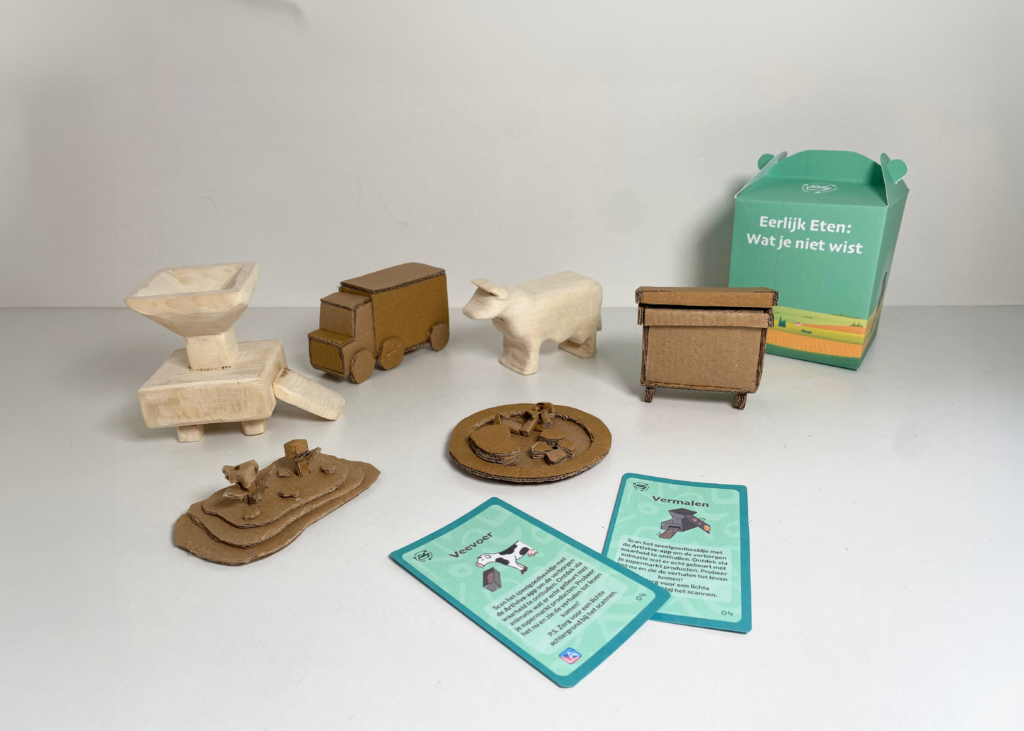
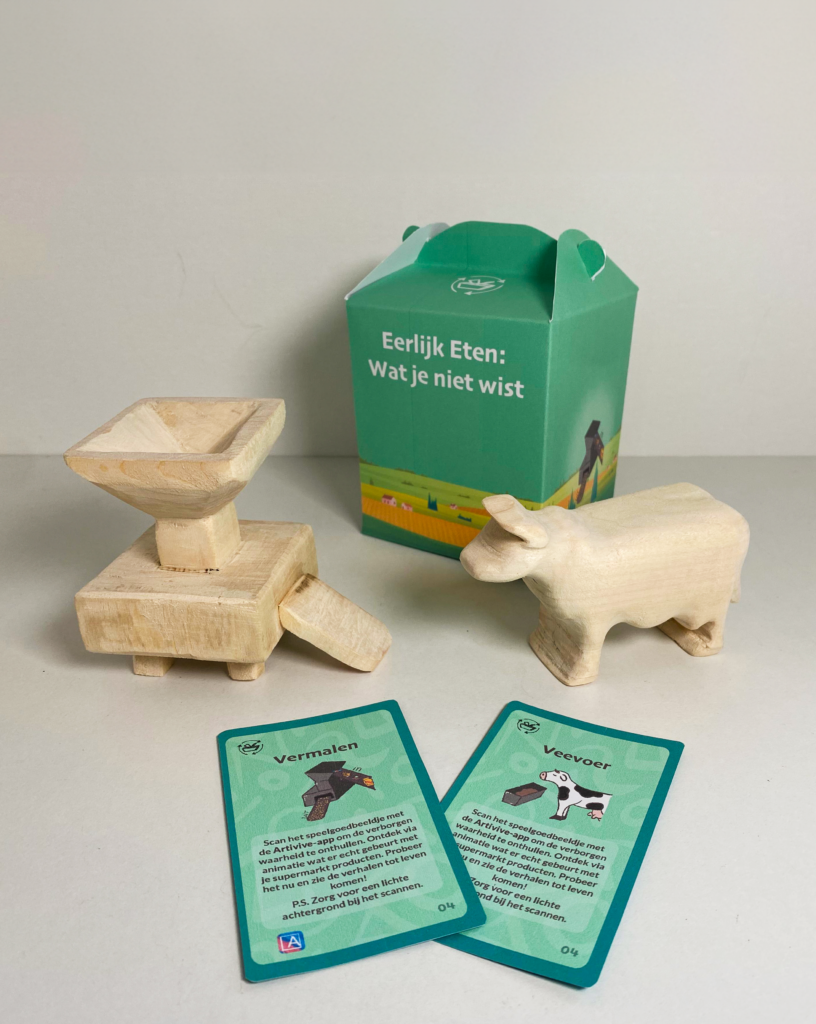
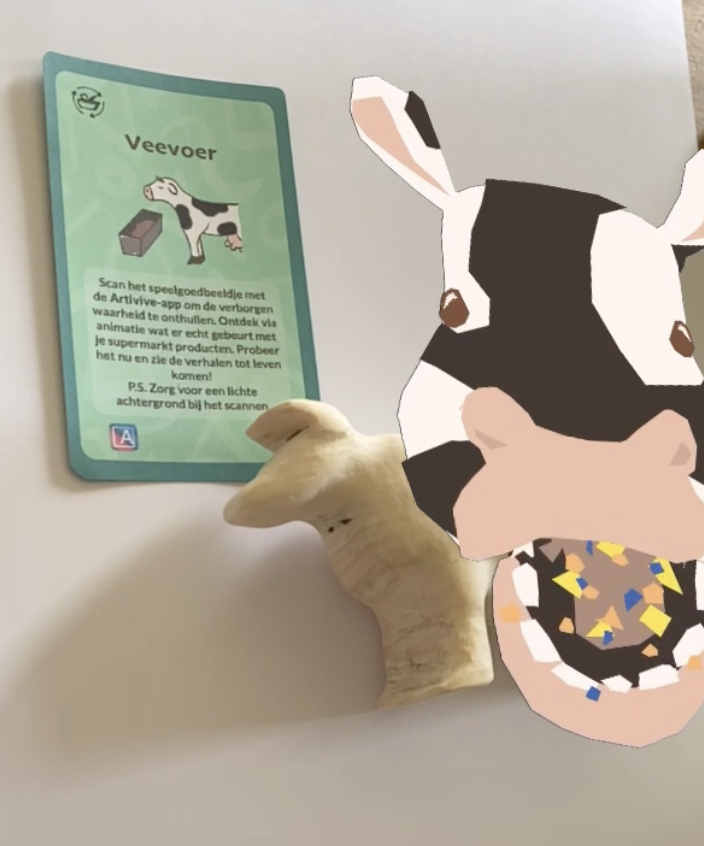
As a final concept, I developed a supermarket loyalty campaign in which consumers receive toy objects that reveal the hidden reality of plastic pollution in the food chain. At first glance, the objects are unremarkable; they visualize the six different steps that the recycling cycles go through. Through Artivive, an app that brings artworks to life, the seemingly innocent toy objects come to life, revealing the seriousness of the situation. This previously invisible layer shows what is really happening and how we are adding plastic to our food chain.
Recent graduate in:

Communication and Multimedia Design,
Avans University Breda

@ninke.freijser

Ninke.freijser@gmail.com

Ninke Freijser